
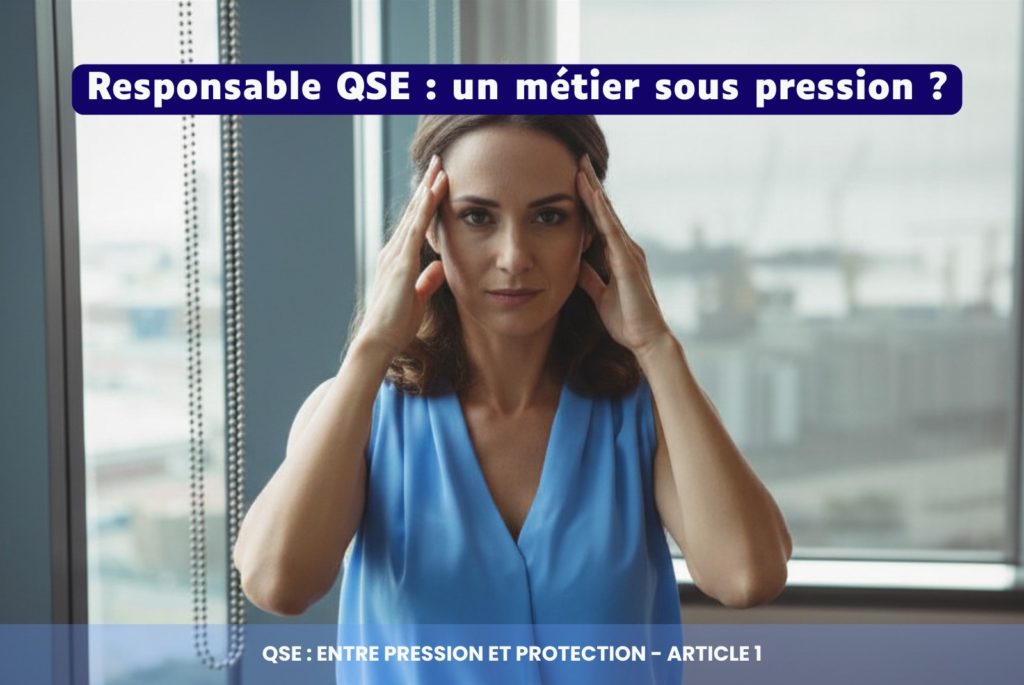
QSE series: between pressure and protection
QSE Manager: a job under pressure?
When everything is going well, the QSE manager is often invisible. When an incident occurs, he or she immediately takes centre stage.
Accidents, complicated audits, non-compliance, forgotten regulatory requirements, environmental incidents, traceability problems... the expectations placed on quality, safety and environment specialists have never been higher.
And yet, many QSE managers - particularly in companies - are still working in the shadows.
With increasing workloads, ever higher expectations, regulatory pressure and increasingly complex compliance issues, their profession has undergone profound changes in recent years.
So much so that the question of legal protection is now playing an increasingly important role in discussions about the role.
A profession that has changed profoundly
For a long time, QSE functions were mainly associated with :
- procedures,
- audits,
- certifications,
- or document tracking.
Today, the reality is very different.
QSE specialists now have to deal with an ever-increasing number of challenges:
- operational risks,
- regulatory requirements,
- cybersecurity in certain contexts,
- CSR,
- internal communication,
- incidents,
- action plans,
- raising team awareness,
- change management.

In addition, there are now new social, societal and environmental objectives: organic labels, local production, sustainable certifications and initiatives such as B Corp.
The QSE specialist is no longer just the one who controls. He has become the one who must anticipate.
These changes are profoundly transforming the business. QSE is no longer a peripheral function. It is gradually becoming a central player in steering the organisation.
A function at the heart of the company's tensions
Being a QSE manager today often means having to navigate between conflicting expectations.
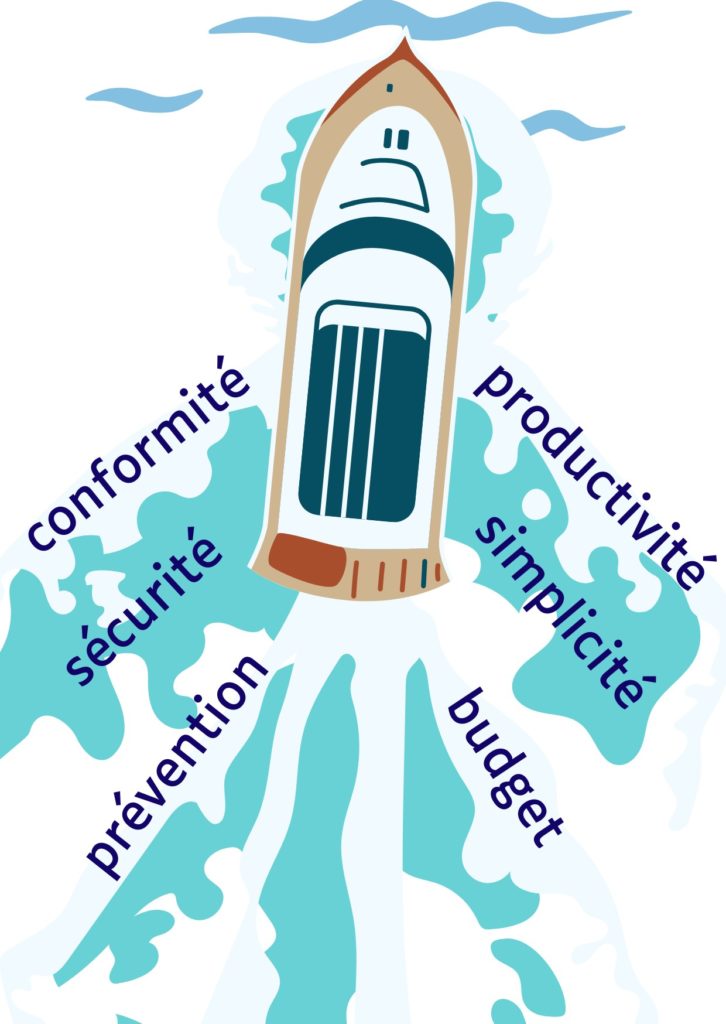
You need to guarantee security without slowing down your business. Ensure compliance without complicating processes. Prevent risks while respecting budgetary constraints.
Above all, you have to be able to talk to everyone:
- direction,
- ground,
- HR,
- production,
- partners,
- customers,
- listeners,
- providers,
- sometimes authorities.
This cross-functionality is what makes the job so rich. But it can also become a source of mental strain that is sometimes difficult to express.
When a problem arises, the QSE manager often has to come up with answers... even when they don't have all the resources they need to take action.
In practice, the QSE is still too often perceived as the person who “carries” the company's safety and compliance.
Essential but often invisible work
The paradox of QSE is that the better the job, the less it shows.
When no accidents occur, no audits cause problems and no major non-compliance is detected, it's easy to forget all the preventive work done upstream.
And yet, behind this stability lie :
- follow-ups,
- controls,
- reminders,
- updates,
- analysis,
- training courses,
- validations,
- and constant vigilance.
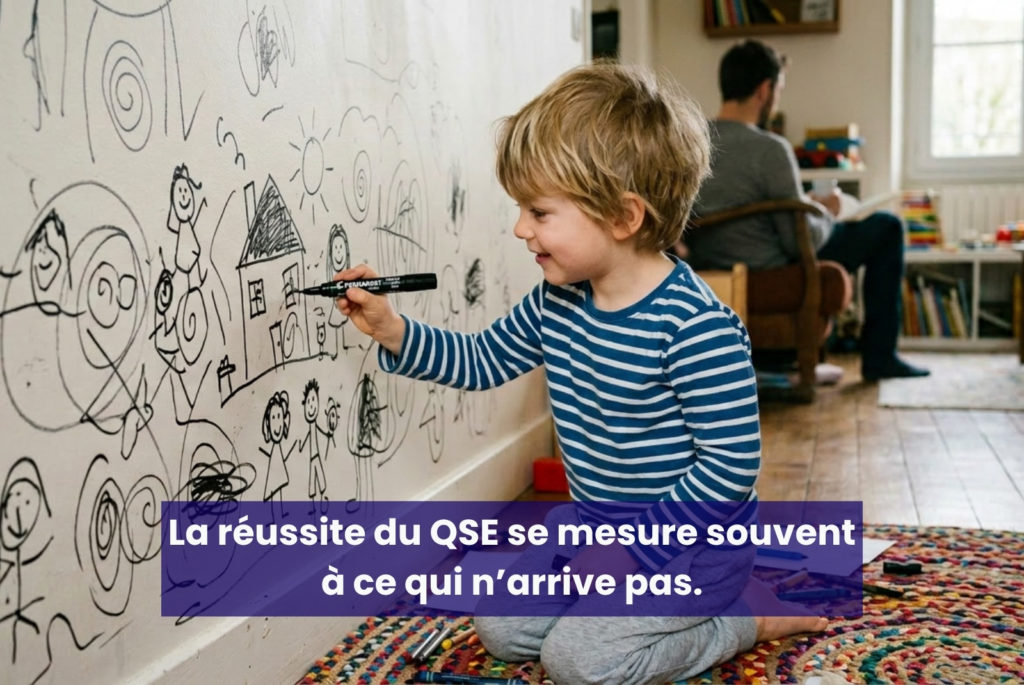
The success of QSE is often measured... by what doesn't happen.
When pressure becomes organisational pressure

In many companies, QSE specialists still have to deal with :
- dispersed files,
- documents that are difficult to locate,
- manual monitoring,
- information stored in different tools,
- or incomplete traceability.
❌ Result:
a significant part of their energy is devoted to search for information rather than actually driving the business risks and continuous improvement.
The more complex organisations become, the more strategic the need for visibility and coherence becomes.
A QSE manager should not waste energy searching for information. They should be able to concentrate on anticipation and improvement.
Structure for better management
It is precisely to meet these challenges that QSE governance platforms are playing an increasingly important role.

Centralising information, linking processes, structuring monitoring, ensuring traceability, clarifying responsibilities, facilitating audits, visualising risks: these elements are not just about saving time.
They also help to reduce operational pressure and improve the overall control of the organisation.
Solutions such as Siris+ make it possible to connecting the different aspects of QSE in a more fluid, structured and coherent approach.
In conclusion
Today, QSE specialists play an essential role in the resilience and performance of organisations.
But behind the procedures, the audits and the indicators, there are also men and women who bear important responsibilities on a daily basis.
And there is perhaps a question worth asking:
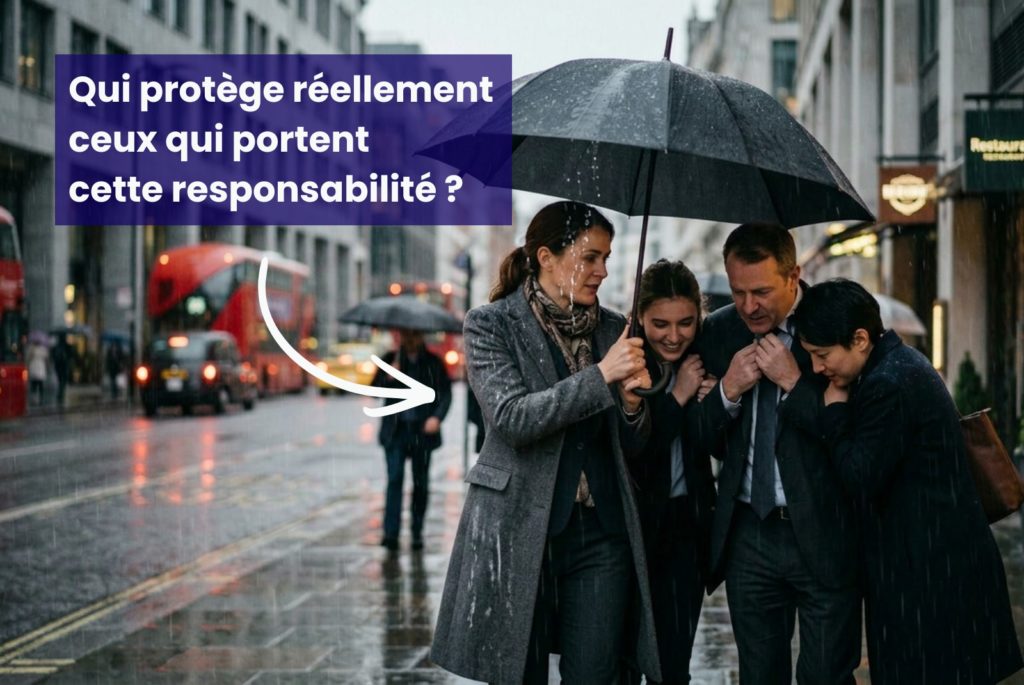
who really protects those who bear this responsibility?
👉🏼 We'll look at this in the next article in this series.