
QSE series: between pressure and protection
QSE Manager: is this strategic role finally being recognised?
For a long time, QSE functions were seen as control functions.
These are important functions, of course. But they are often regarded as secondary to operational or strategic issues.
Today, this vision is gradually changing.
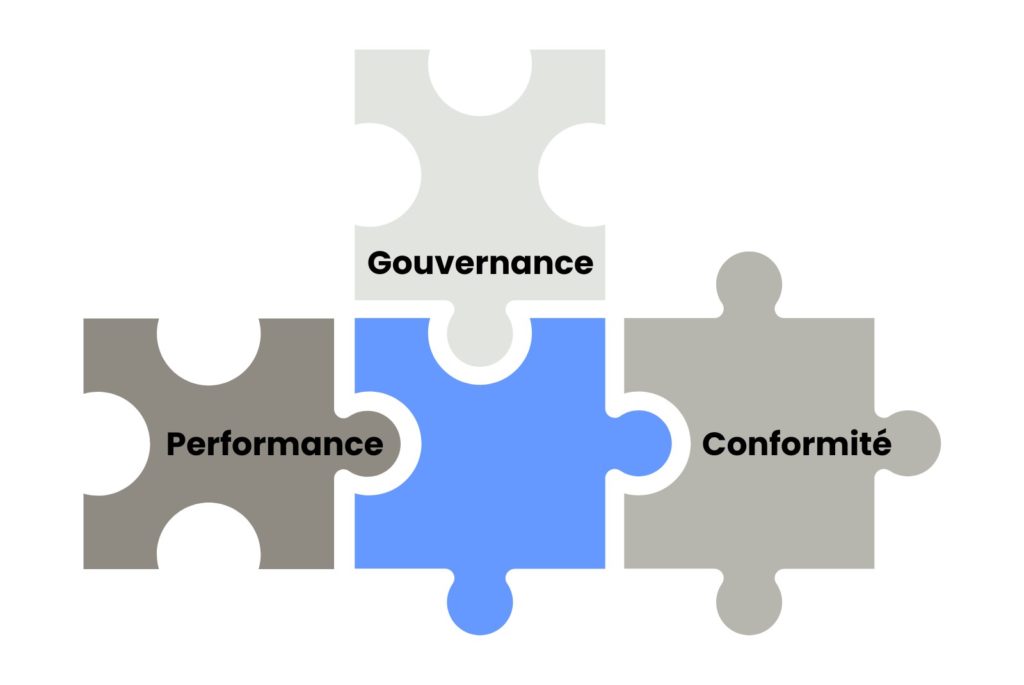
Faced with a growing number of risks, regulatory requirements and governance challenges, QSE specialists are playing an increasingly central role within organisations.
A profession that has become cross-functional
The role of the QSE is no longer limited to managing procedures or preparing for audits.
Quality, safety and environmental specialists are now involved in matters that directly affect:
- performance,
- resilience,
- compliance,
- risk management,
- continuous improvement,
- CSR,
- governance,
- and sometimes even the overall strategy.

QSE is no longer just about avoiding problems. It now helps to shape the company’s performance.
This development is fundamentally changing the way the profession is perceived.
Recognition that is evolving… but still uneven
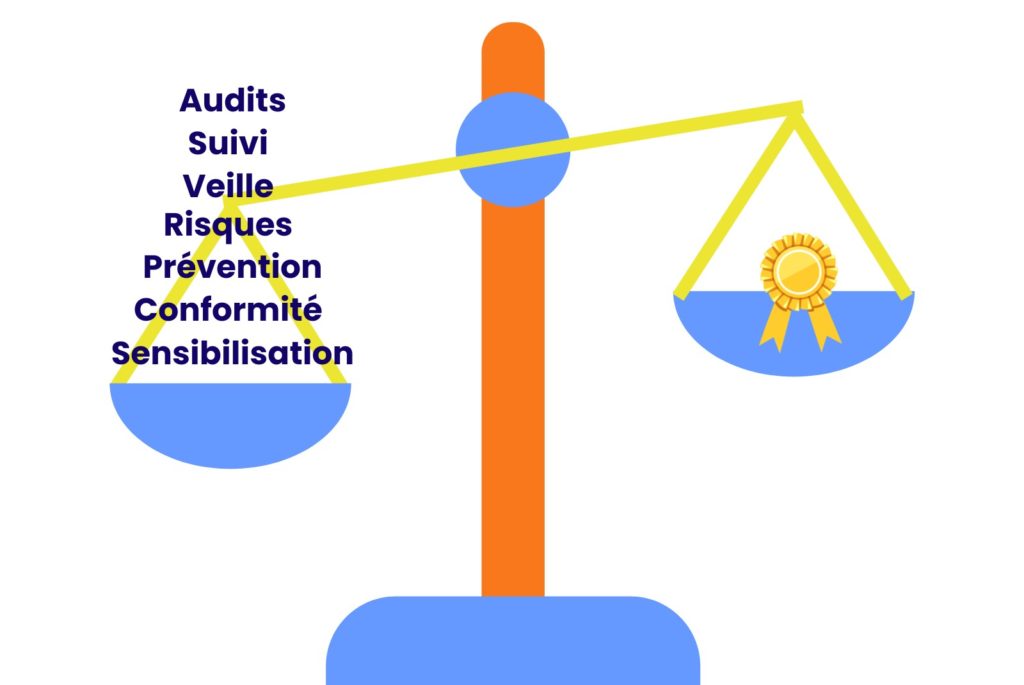
In some organisations, QSE functions are now fully integrated into strategic planning.
In others, they are still seen as a cost centre or a regulatory constraint.
Yet expectations regarding these roles continue to rise.
QSE specialists must:
- understand the risks,
- comply with regulations,
- monitor indicators,
- coordinate various stakeholders,
- supporting change,
- carry out follow-ups,
- and sometimes deal with sensitive or urgent situations.
This increase in responsibility naturally raises a number of questions:
- Does the recognition live up to expectations?
- Are the resources actually being provided?
- Do organisations fully appreciate the value created by QSE?
Digital technology is also transforming the industry
Digital tools are now playing an increasingly important role in this transformation.
Governance platforms now enable:
- to centralise the data,
- link processes,
- monitor the actions,
- identify the risks,
- to automate certain follow-up tasks,
- or to facilitate regulatory compliance.
The more complex organisations become, the more essential visibility becomes.
Modern QSE no longer relies solely on ring binders or scattered files. It manages data, interactions and information flows.

Modern QSE no longer relies solely on ring binders or scattered files. It manages data, interactions and information flows.
Towards a more connected and strategic QSE

This development also opens up new opportunities.
QSE is gradually becoming:
- a facilitator,
- a coordinator,
- a stakeholder in governance,
- and a strategic partner.
Integrated platforms such as SIRIS+ by Logiqua are contributing to this development by enabling the connection of:
- the processes,
- the risks,
- regulatory requirements,
- the checks,
- incidents,
- and performance indicators.
❌ The aim is no longer simply to manage compliance.
✅ The aim now is to lead the organisation with a comprehensive and coherent vision
In conclusion
The QSE profession is evolving.
More cross-functional. More strategic. And more exposed, too.
And perhaps it is time to fully recognise the value of those who, every day, help to make organisations safer, more compliant and more sustainable.

Because behind the standards and processes lies, above all, a fundamental mission: to enable organisations to operate more reliably, more responsibly and with greater peace of mind.