
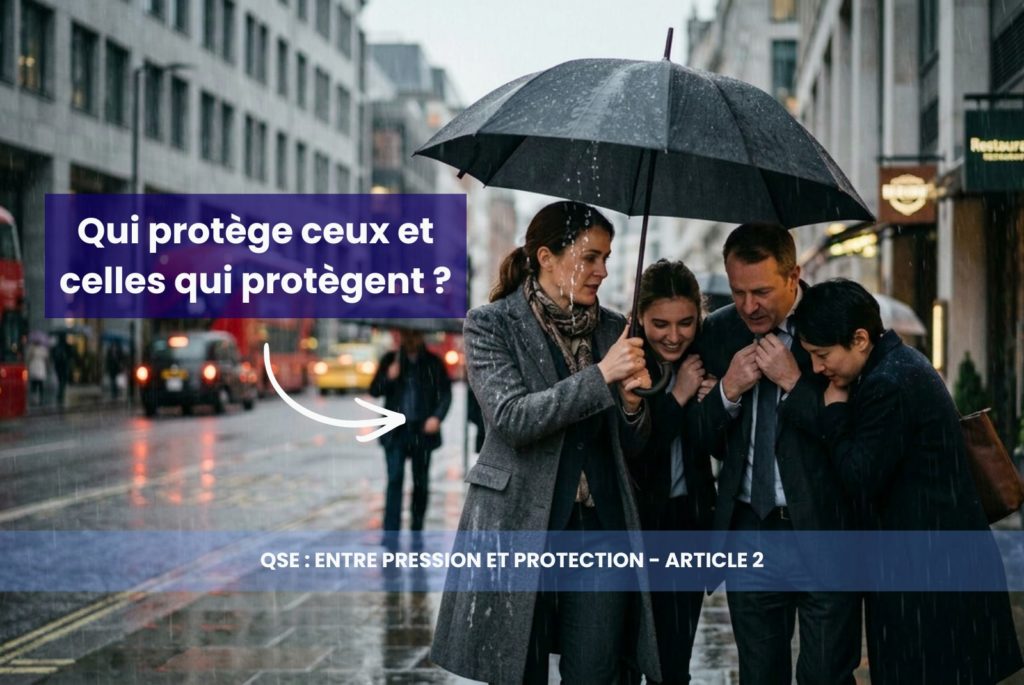
QSE series: between pressure and protection
Companies are taking out insurance… but what about the security specialists themselves?
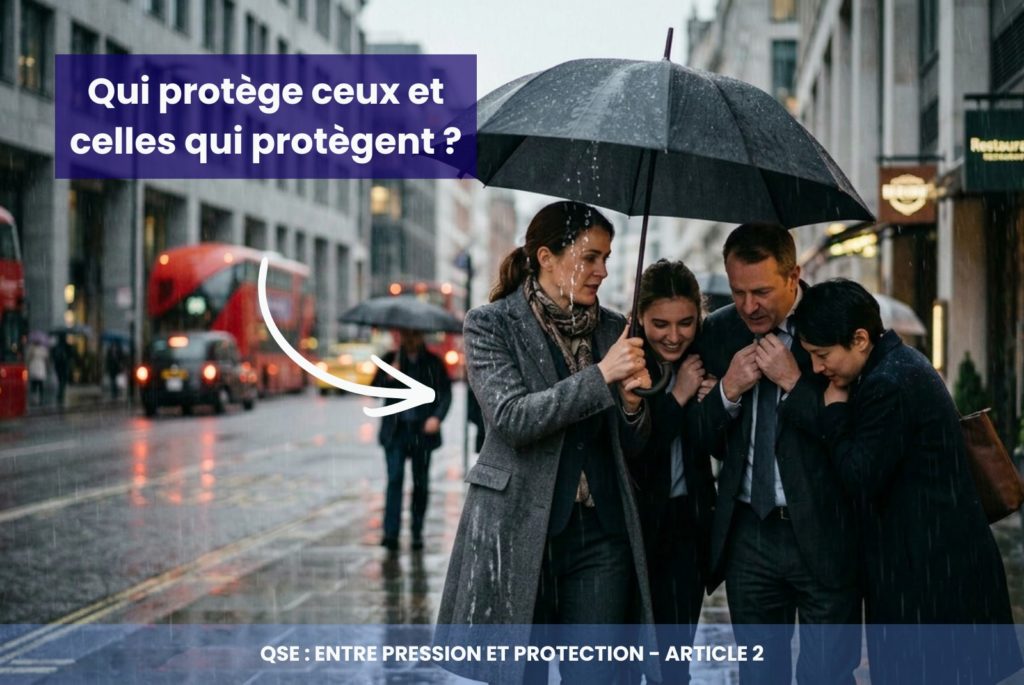
When an accident occurs, it is not just the operational or financial consequences that come into play.
Very quickly, another question arises:
Who knew? Who was supposed to take action? Who was responsible?
And all too often, health, safety and environmental specialists find themselves on the front line.
Against a backdrop of increasingly stringent regulatory requirements and rising expectations regarding risk prevention, their role is coming under ever greater scrutiny.
However, the issue of their own protection is still rarely discussed.
A responsibility that is often underestimated
The role of security specialists is not limited to simply following procedures.
They must:
- identify the risks,
- anticipate incidents,
- raise awareness amongst staff,
- carry out follow-ups,
- update the regulatory requirements,
- coordinate activities,
- document decisions,
- and, on occasion, to raise the alarm about sensitive situations.
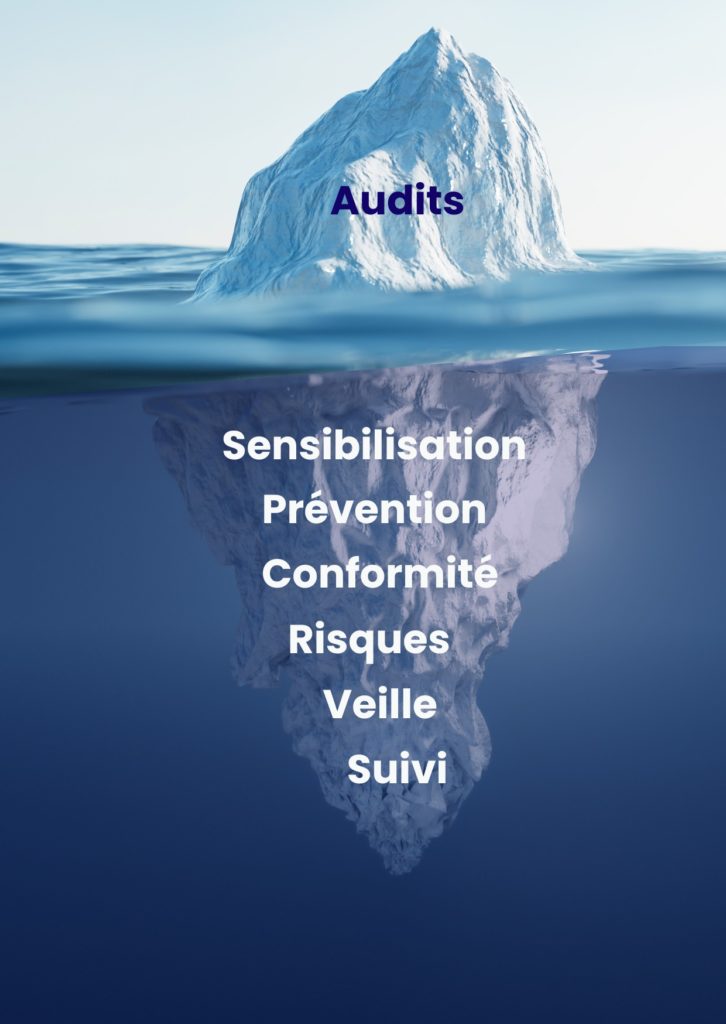
Prevention is invisible… until the day something happens.
And when an incident occurs, attention quickly turns to those responsible for security, compliance or risk management.
Even when the means, resources or decisions were not entirely within their control.
Legal protection: is this still a topic that is not discussed enough?
In many organisations, there is a lot of talk about staff safety, compliance and risk management.
But do we talk enough about protecting the people who shoulder these responsibilities on a day-to-day basis?
The issue is not limited to insurance.
It also affects:
- clear lines of responsibility,
- the traceability of actions,
- monitoring of validations,
- access to information,
- the documentation of decisions,
- or the organisation’s genuine support.

Because when it comes to compliance and prevention, anything that isn’t documented quickly becomes difficult to prove.
A security policy does not just protect the organisation. It must also protect the people who implement it.
Such a psychological burden
Beyond the regulatory and organisational aspects, there is also a more human dimension.
When a serious incident occurs, QSE specialists may experience:
- considerable pressure,
- a sense of responsibility,
- mental fatigue,
- or even, at times, isolation.
Their role is precisely to prevent such situations from arising.
And when they do happen despite everything, it can be hard not to question yourself.
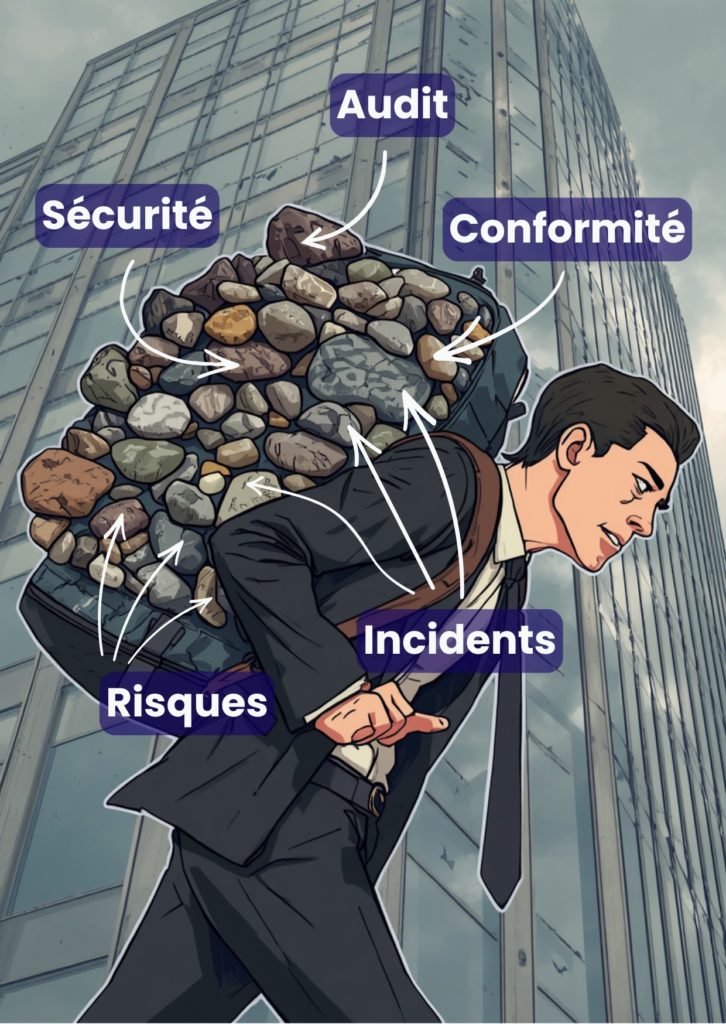
This reality is still not widely recognised. Yet it is very much part of the current challenges facing the profession.
When tools also become a form of protection
❌ In this context, the organisation of information takes on great importance.
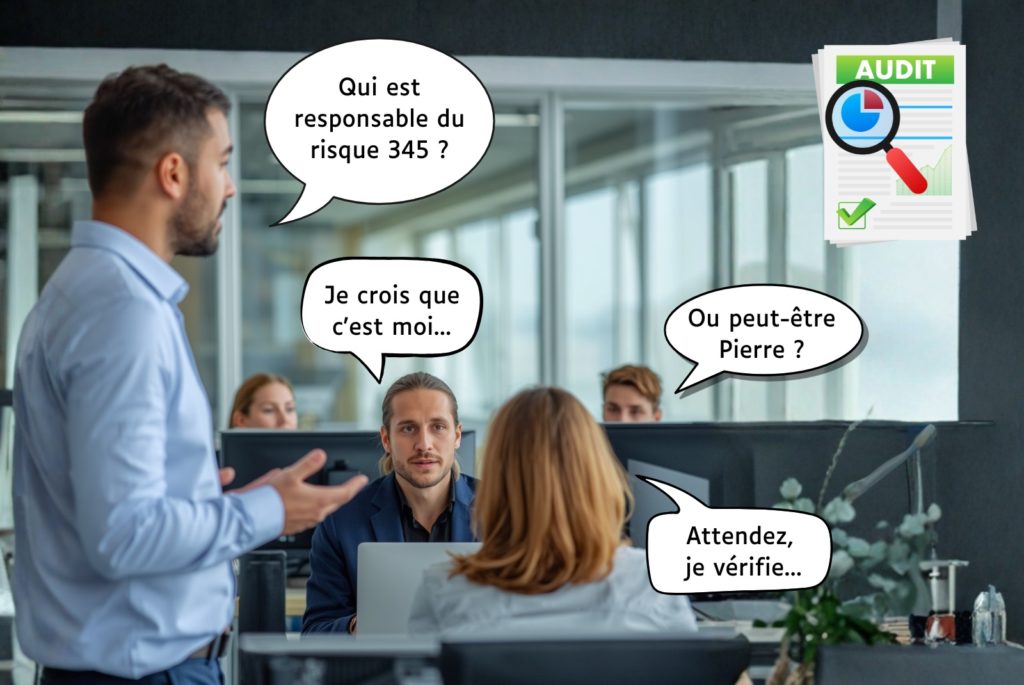
Be able to demonstrate:
- that a course of action was taken,
- that an inspection had been carried out,
- that a requirement has been communicated,
- that a risk has been assessed,
- or that a decision has been approved,
can make all the difference.
Governance, traceability and the centralisation of data are therefore not merely a means of improving organisation.
They also help to ensure that practices are carried out safely.
La Siris+ governance platform It enables you to centralise information, track actions and link requirements, risks and controls, whilst enhancing overall visibility.
What if true maturity were just as human?
We often talk about maturity and safety. Compliance. Governance.
But perhaps the maturity of an organisation can also be measured by its ability to support those who hold these responsibilities.
Because behind the dashboards, audits and procedures, there are also men and women who help to protect organisations every day.

In conclusion
What if the real question was, after all, this:

Do companies really protect those who protect them?