Systemic Integrated Risk Intelligence Solution

SMI, SCI, GRC: understanding (at last) the basics of corporate governance

Between scattered Excel files, stressful audits, ever-changing regulatory requirements and a lack of overall visibility... many organisations feel that they are suffering from compliance rather than managing it. How can SMI, ICS and GRC help you?

SMI, SCI, GRC: understanding (at last) the basics of corporate governance

Between scattered Excel files, stressful audits, ever-changing regulatory requirements and a lack of overall visibility... many organisations feel that they are being left to their own devices. suffer compliance rather than manage it.

And in the midst of all this, three acronyms come up frequently:

  • SMI
  • SCI
  • GRC

Key concepts... but sometimes vague.

Let's take a few minutes to understand them simply - and above all, to see how they can really help you in your day-to-day life.

What is the difference between SMI, SCI and GRC?

Before going into detail, here's some simple reading:

  • SMI → structures your organisation
  • SCI → secures your practices
  • GRC → pilots the whole

Three different approaches... but profoundly complementary.

The SMI: structuring your organisation

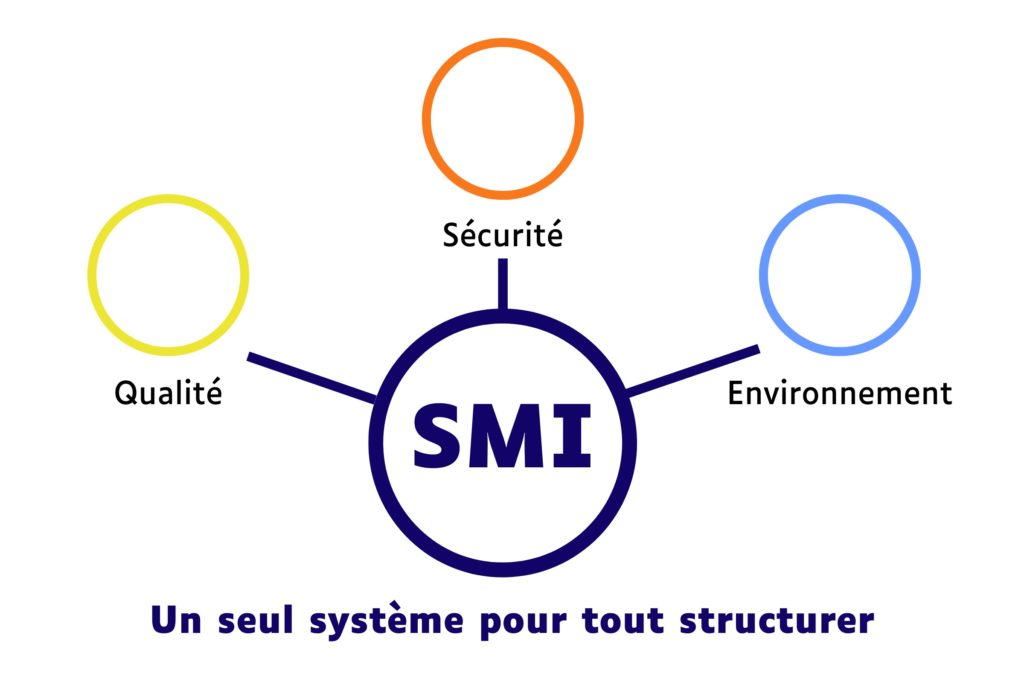
Le SMI (Integrated Management System) is a framework for combining several management systems into a single system.

It generally includes :

  • the quality (ISO 9001),
  • the security (ISO 45001),
  • l’environment (ISO 14001),
  • and sometimes information security or CSR.

Its objective: avoid silos and harmonise practices.

In practical terms, this makes it possible to :

  • sharing processes
  • centralise documentation
  • simplify audits
  • improve overall legibility

In a nutshell: SMI defines how your organisation works.

The SCI: securing your operations

Le ICS (Internal Control System) brings together the mechanisms that ensure that everything works properly.

It aims to :
  • guarantee data reliability
  • prevent errors and fraud
  • respect internal and external rules
  • managing operational and financial risks

Its objective: check that what is planned... is actually implemented!

Concrete examples:
  • validations (double signature)
  • periodic inspections
  • formalised procedures
  • follow-up of corrective actions

In a nutshell: ICS makes sure you do what you set out to do.

CRM: managing with a global vision

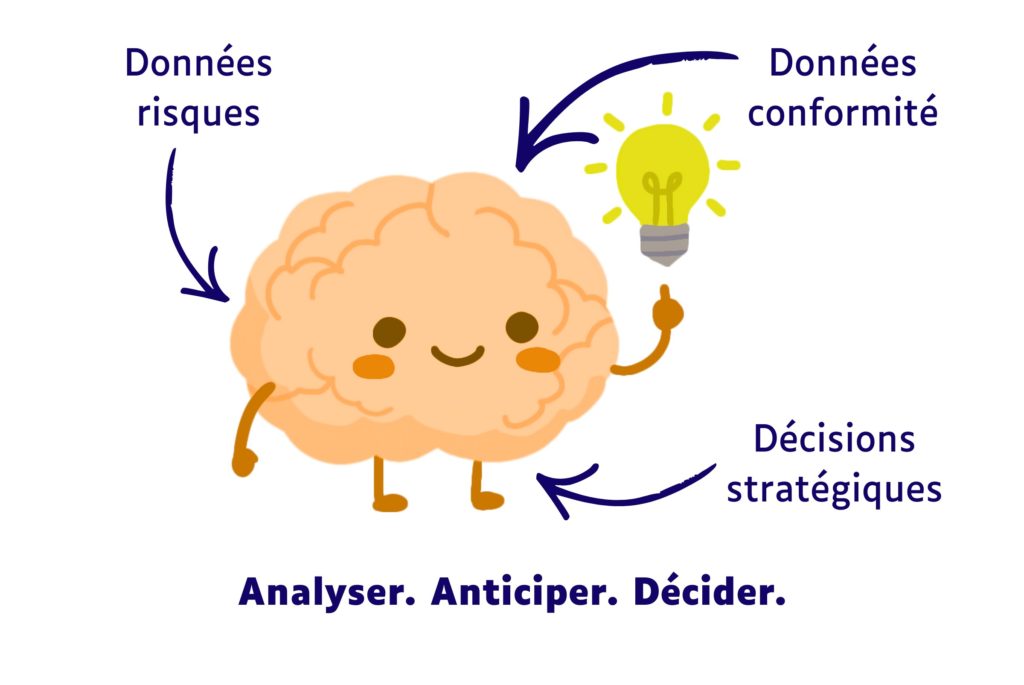
La GRC (Governance, Risk and Compliance) is a global approach that links :

  • the governance (strategic steering)
  • the risk management
  • the regulatory compliance

Its objective: have an aligned, controlled and managed organisation.

It allows you to :

  • identify and prioritise risks
  • comply with legal obligations
  • structuring decision-making
  • ensure traceability

In a nutshell: the RCMP gives a an overall vision for decision-making and anticipation.

Why linking them changes everything

On paper, it's all very clear.

But in reality?

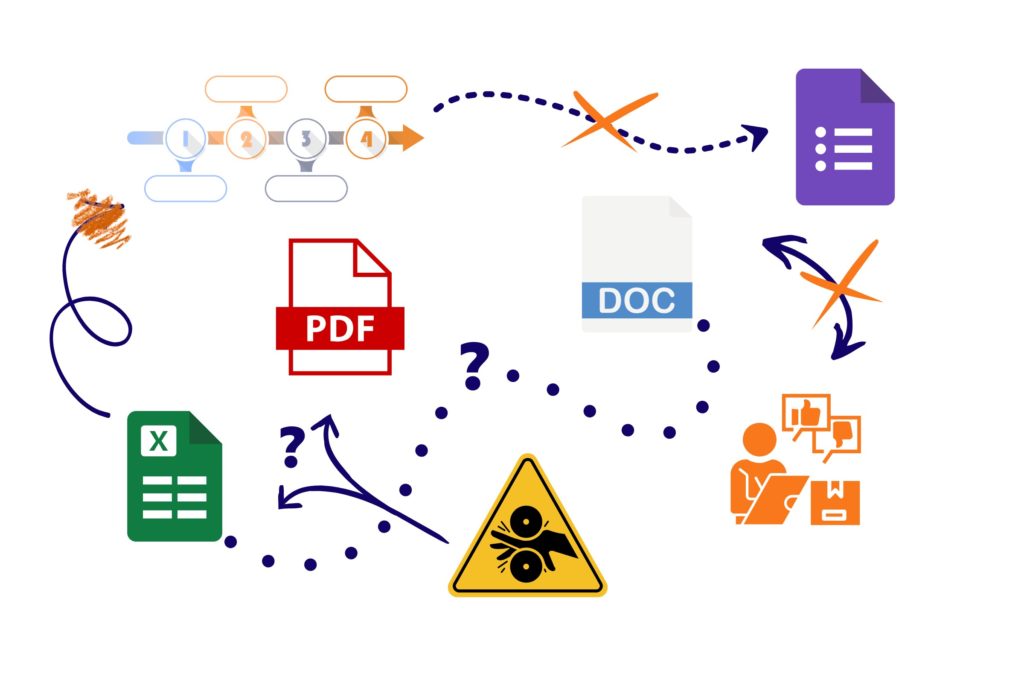
Many organisations still operate in this way:
  • processes in a document
  • risks in an Excel file
  • controls in another tool
  • regulatory requirements elsewhere

❌ Result:

What if everything was connected?

Now imagine:
  • your process linked to your risks
  • your risks linked to your controls
  • your controls connected to your regulatory requirements
  • and all controlled in a single QSE platform

This is where the synergy between SMI, SCI and GRC really comes into its own.

A unified approach with SIRIS+

This is precisely what a platform like SIRIS+.

By centralising :

  • processes
  • the documents
  • the risks
  • legal requirements
  • controls
  • incidents
  • and indicators

SIRIS+ transforms dispersed management into a single structured, fluid and coherent governance.

You are no longer subject to compliance. You drive it.

In conclusion

Understanding SMI, ICS and GRC means laying the foundations for a more structured, secure and efficient organisation.

But their true power is revealed when they are connected to each other.

Because when it comes down to it, behind the processes and the standards, there is above all :

Why not try a different way of doing things?